

Patty Wellborn

Email: patty.wellborn@ubc.ca


A photo of a male teacher in a plaid shirt standing in front of students sharing a study table.

UBC Okanagan experts provide a variety of tips to help make those first few days in the classroom as stress free as possible. Photo by Kenny Eliason on Unsplash.

Between the rush of buying school supplies, new clothes for rapidly growing children and squeezing in a few last days of fun, most parents have very few minutes to think up a strategy for a smooth transition into the new school year.

UBC Okanagan experts are providing some tips—everything from literacy advice, to getting enough sleep and healthy eating—to ensure those first few days in the classroom are a success. These are not only for the parents, but also for those attending school.

“Kindness matters,” says Dr. John Tyler Binfet, Okanagan School of Education and Director of Building Academic Retention through K9’s program

Having students engage in kind acts within the school or broader community not only encourages perspective-taking and optimizes student wellbeing, it also has a reciprocal effect for teachers who themselves are known to experience heightened stress. Kind acts don’t need to be big Broadway productions; rather, they can be quiet acts that only the initiator knows about. These might include:

  • leaving hidden sticky notes of encouragement in library books;
  • leaving a quarter in the vending machine to surprise the next user; or
  • not laughing at a joke that belittles someone

When teachers situate kindness front and centre in the classroom, they support their students’ wellbeing, nurture supportive learning environments where students can thrive and invest in creating a work environment where their best teaching can be showcased.

“Take steps to encourage literacy at home,” says Dr. Jessica Chan, Okanagan School of Education and Director of the Reading, Language, and Mathematics Lab

There are several ways families can support their children’s literacy development at home, even if your child may not enjoy reading independently. Parents and caregivers can share family stories and encourage their children to write or draw the story. It doesn’t have to be a story—it could be a family recipe or learning about the origins of the family. They can read a book together by taking turns and talking about what they’ve read together. Diversify the types of books chosen to read, like fantasy stories, graphic novels and non-fiction. It can help encourage children to explore new interests, which might inspire new learning opportunities.

“Make sure everyone gets a good night’s sleep,” says Dr. Elizabeth Keys, School of Nursing and a member of the Canadian Sleep Research Consortium

A good routine and getting enough quality sleep are vital for school-aged children and teen’s learning and general wellbeing. Parents can estimate how many hours of sleep their children need, what time they need to get up and how much time is necessary to get ready in the mornings. Then set the alarm clock—and bedtime—accordingly.

Parents can also do a few things to help with the process:

  • Limit screens one hour before bed,
  • Find a way to relax like reading or listening to music or a podcast an hour before bed
  • Get plenty of bright light in the morning
  • Getting enough physical activity during the day
  • Keeping the routine going seven days a week and maintaining a regular sleep-wake schedule, even on weekends

“Pack a well-nourished lunch,” says Dr. Sally Stewart, School of Health and Exercise Sciences

A lunch kit packed with nourishing food goes a long way to fuel the brain and the body and getting children involved when it comes to packing lunches—including taking them shopping, helping with the cooking and packing their own lunches—so they will be more likely to eat what they pack.

Have drawers or bins in your fridge and cupboards organized into three groups:

  • fruits and veggies
  • proteins including cheeses, lean meats, hardboiled eggs, nut butters, seeds and yogurts
  • grains such as crackers, muffins, pitas and cereals.

Make sure there is at least one item from each bin in the lunch. Let them choose what, and how much.

Finally, having fun and colourful containers and reusable bags is fun for your children but also good for the environment. Balance and variety in food choices and having foods that you and your children enjoy are a part of nourishing life.

“It’s not too soon to talk about vaping devices and nicotine pouches,” says Dr. Laura Struik, School of Nursing

New nicotine products, like the increasing variety of vaping devices or the recent introduction of nicotine pouches this past year, have proliferated school environments, including the elementary grades. It is never too early to talk with children and teens about these products.

It is important to recognize that use of these products among youth is strongly tied to how they become embedded in youth cultures both online and offline, including in schools. Having conversations with your children about what they observe and think about these products and how their friends are navigating these products, is a critical step towards protecting them.

These conversations can confirm that they have a safe, non-judgmental space to chat, will prompt them to critically think about their options, might bring forward questions and opportunities to collaboratively find answers and ultimately, can empower them with making an informed choice before entering the classroom.

“Check your child’s vaccine status for any outstanding vaccines,” says Dr. Marie Tarrant, School of Nursing

Interior Health notes that childhood vaccination rates show that 69 per cent of two-year-old children and 55 per cent of seven-year-old children are immunized against illnesses such as measles, rubella, mumps and polio, far below its goal of 95 per cent.

Regarding immunizations, it is important for parents to speak with someone they trust—whether it’s a family doctor, public health nurse or nurse practitioner—about the safety and effectiveness of vaccines. Primary health-care providers may be reluctant to have those conversations because they have a trusting relationship with their clients. But it’s important that all primary health-care providers assess children’s vaccine status and then have those conversations with parents, because they’re often the most trusted person in their network.

“Be prepared for emotional changes, which are normal at this time of year,” says Dr. Jessica Lougheed, Psychology, Irving K. Barber Faculty of Arts and Social Sciences

Children and teens might feel excited, nervous, anxious, happy, scared or several of these feelings all at once. Teens may be more irritable than usual or have more intense emotions than typical. Remember that anxiety can breed avoidance. Children and teens, even adults, will often procrastinate on things they find stressful. However, avoidance often comes with the ironic consequence of adding stress in the long term, even if it reduces stress in the short term. Putting things off can lead to consequences such as not having enough time to complete a task well. If you notice anything that looks like procrastination or avoidance, see if you can help your child or teen break up the scary task into smaller, more manageable tasks.

Have patience. Returning to school in the fall means that every single person’s schedule in the home is going to change to some extent. It may take a few weeks before everyone feels comfortable with the change.

Finally, savour the positive things. Being grateful for the good things that can show up at this time of year can help you stay level-headed if and when things don’t go as expected. Your children will be in school only for so long.

“Test out a trial run, before school starts,” says Dr. Shirley Hutchinson, Psychology, Irving K. Barber Faculty of Arts and Social Sciences

One major reason we feel anxious or nervous is due to uncertainty. It’s human nature to want to know what to expect so we can plan accordingly. Unfortunately, we can’t always predict every outcome and this lack of certainty can generate uncomfortable feelings. But don’t worry—one effective way to manage these feelings is by reducing uncertainty. For example, if your child is nervous about taking the bus on the first day of class, do a practice run to familiarize them with the route. If they are concerned about finding classrooms, visit the school ahead of time. The more information you gather, the less anxious they will feel because you’re reducing the unknown.

Remember, feelings of nervousness and anxiety are similar in arousal to excitement and anticipation; it’s all about how you interpret these feelings. The first day of class can either be scary or exciting; it’s up to you to choose how you label it.

The post UBCO experts provide tips for heading back to school appeared first on UBC Okanagan News.

A photo of an elderly person holding hands with a care giver.

A new UBCO School of Nursing study examines how nurses and nurse practitioners deal with the ethical issue of medically assisted death.

Whatever your perspective on Canada’s evolving legislation on medical assistance in dying (MAID), actually putting the law into practice is often where ethical dilemmas arise.

This is especially true for the health-care professionals who provide it. Registered nurses and nurse practitioners, in particular, play a large role in medically assisted death. Until recently, their experiences have not been well documented.

Dr. Barb Pesut, Professor in UBC Okanagan’s School of Nursing, recently led a study that describes how nurses are wrestling with the moral complexities of implementing current and future MAID legislation.

“Changes in legislation require changes in practice on the ground,” says Dr. Pesut. “It is important that those affected by those changes have a voice.”

Dr. Pesut’s research, recently published in the Global Qualitative Nursing Research journal, points to how nurses have changed their approach to talking to patients about MAID. When legislation was first passed in 2016, nurses were not permitted to introduce the idea of assisted death unless patients brought it up themselves. Even then, nurses were to respond cautiously so as not to risk being seen to coerce patients, Dr. Pesut explains.

The nurses interviewed in the study say they now take a more person-centred approach rather than a risk-centred one.

“Nurse practitioners felt that the potential for coercion is far more likely if MAID is introduced during times of transition or crisis, such as entry into long-term care or significant health decline,” says Dr. Pesut. “In their view, it’s better to have the conversation on MAID alongside other options during times of stability. Patients can then identify what best meets their needs and aligns with their values.”

Nevertheless, nurses say they are challenged to make the time for these conversations in a busy health-care environment and to communicate patients’ wishes with other health-care providers.

The study also asked nurses about how they are making moral sense of legislation that has expanded MAID eligibility to people for whom death is not reasonably foreseeable—and the potential expansion to people whose sole underlying medical condition is mental illness. The nurses struggled not so much with individual rights and freedoms but rather with issues of health-care equity.

“Patients facing stigma such as those using substances and frequent users of the system might be more likely to believe that MAID is their only viable option,” says Dr. Pesut. “Nurses also expressed concern about the system’s failure to effectively serve those living with chronic medical conditions and disabilities. The legal debate of MAID as a treatment option should deeply consider these realities.”

In fact, in February 2024, the Government of Canada legislated a three-year delay of MAID for those whose sole underlying medical condition is mental illness based on feedback stating the health-care system was not yet ready.

Dr. Pesut’s study found that one of the most important safeguards, particularly for a person whose natural death is not reasonably foreseeable, might be a robust primary care relationship that provides sufficient time and holistic care.

“Despite Canada’s health-care challenges, there are innovative ways to ensure those applying for MAID have access to care providers, including nurses, who can work alongside them to ensure their choice is for the right person, at the right time and for the right reasons.”

The post Nurses wrestle with ethical questions on MAID appeared first on UBC Okanagan News.
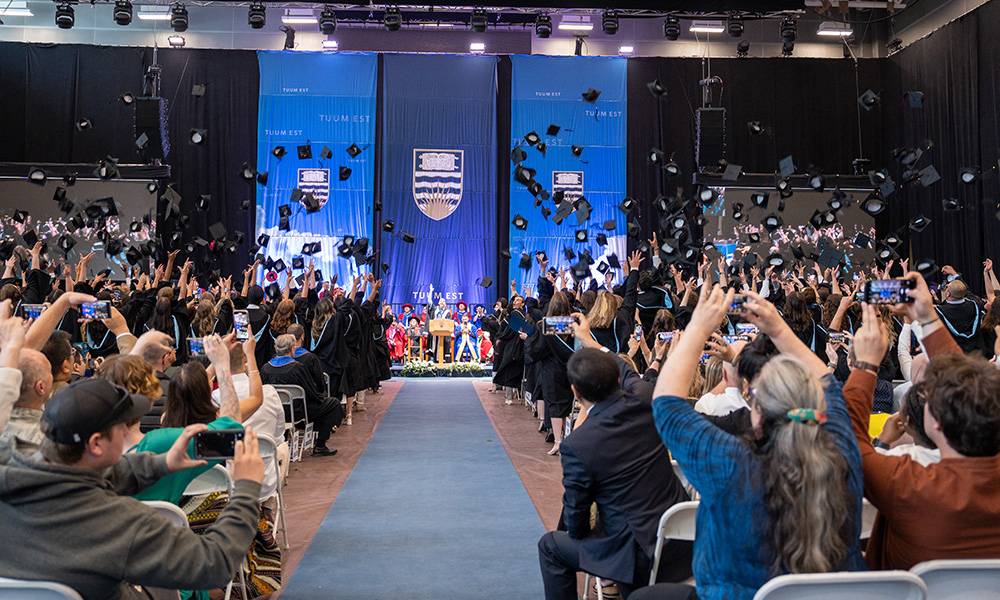
A photo of UBCO graduates tossing their caps

Graduates toss their caps as their ceremony comes to a conclusion at one of three graduation ceremonies at UBCO Thursday.

When Liam Krebbers crossed the stage to receive his degree at UBC Okanagan’s final graduation ceremony today, it was a brand-new experience for him.

Like many of his classmates, Krebbers graduated high school in June 2020 at the height of the COVID-19 pandemic. It was a time of isolation, protective masks and cancelled or modified celebrations.

“I graduated high school during the time of online and physically distanced ceremonies,” says Krebbers.  “I walked across the stage in a nearly empty arena, 15 minutes apart from my friends. I’m very excited this year to be part of an actual graduation ceremony and I’m looking forward to graduating with all my friends.”

Krebbers was one of 2,400 graduates celebrated Thursday and Friday at UBCO—the largest number of graduating students since the university campus was established in 2005.

For many students, notes Dr. Lesley Cormack, UBCO’s Principal and Deputy Vice-Chancellor, it was their first opportunity to cross that stage in front of a jam-packed audience.

“We are incredibly excited to celebrate graduation every year, but this year is particularly meaningful as many of the students graduating did not have a traditional high school graduation due to the pandemic,” says Dr. Cormack. “Ceremonies like graduation provide opportunities for connection, signify our collective values and allow us to come together to celebrate the hard work that has gone into obtaining a UBC degree.”

Along with conferring more than 2,400 doctoral, master’s and undergraduate degrees, UBCO celebrated a number of top academic awards, teaching excellence awards and the conferring of seven Bachelor of Nsyilxcn Language Fluency (BNFL) degrees. This is the second cohort of students to graduate from the BNLF program, the first being last year after the degree program was introduced in accordance with UBC’s commitment to truth and reconciliation.

During graduation, UBCO also celebrated three people who have been instrumental in the growth of the campus and the community with honorary degrees.

Dr. Deborah Buszard, who served as Interim UBC President from 2022 to 2023, and UBCO’s Principal and Deputy Vice-Chancellor for eight years before that, was presented with a Doctor of Laws, honoris causa Thursday morning. Ian Cull, former UBCO Associate Vice-President, Students was also presented with a Doctor of Laws, honoris causa Thursday afternoon. Kelowna entrepreneur Ragwa Gopal, a leader in British Columbia’s tech and innovation community and founder of Accelerate Okanagan in 2012, was presented with a Doctor of Laws, honoris causa Friday morning.

Honorary degrees are awarded by universities to recognize people who have made substantial contributions to society at the provincial, national or international levels. Dr. Cormack noted all three honorary degree recipients have made a significant difference to the Okanagan region, the community and UBCO since it first opened 19 years ago.

In all, six ceremonies took place yesterday and today, and the students of 2024 were celebrated loudly and proudly by their families, fellow students as well as UBCO faculty and staff.

“I extend my heartfelt congratulations to the UBC Okanagan Class of 2024 for their hard work, perseverance and determination,” adds Dr. Cormack. “They are going out into a world as change makers and it desperately needs them. We are proud of them and can’t wait to see what they achieve.”

The post UBCO celebrates the Class of 2024 appeared first on UBC Okanagan News.
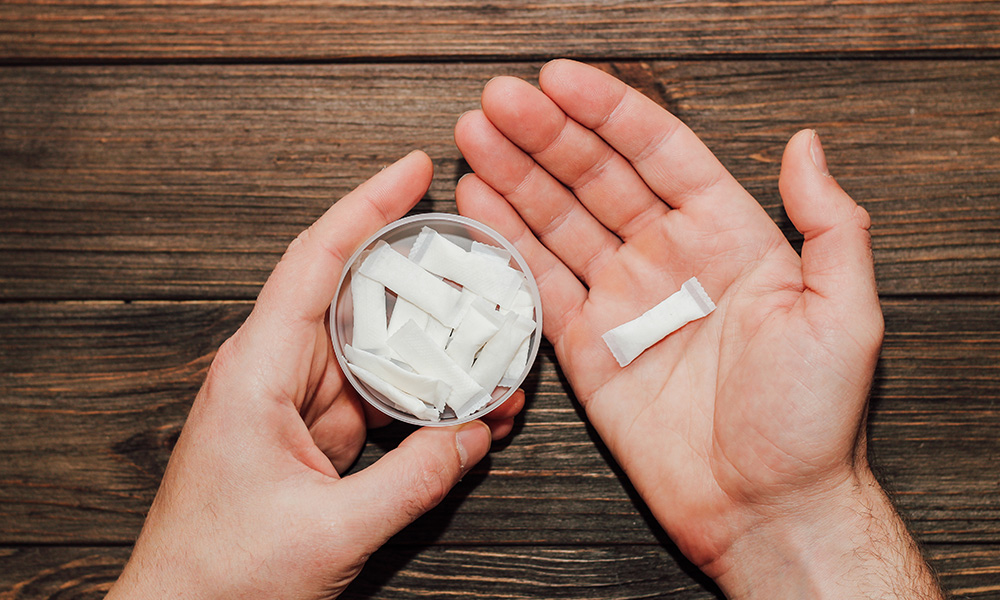
A pair of hands hold a box of snus in one hand and nicotine pouches in the other

UBCO expert says Canada should call for an all-out ban on nicotine pouches, regardless of the age of the user.

“Pop it in your mouth, tuck it under your upper lip and it tingles,” reads an Instagram ad for flavoured nicotine pouches. The pouches—approved for sale in Canada in July 2023—are seemingly marketed as a nicotine replacement therapy to help adults quit smoking.

But that’s not what Canada’s Minister of Health Mark Holland thinks. Last week he told the tobacco companies to “stay away from our kids” just before Health Canada issued a public advisory and a notice of intent to explore legislative and regulatory options to protect youth from these products.

In February of this year, the BC government introduced its own regulations, limiting the sale of nicotine pouches to pharmacies.

Dr. Laura Struik, an Assistant Professor in UBC Okanagan’s School of Nursing, researches the health behaviours of young people and has a particular focus on tobacco and nicotine use, including interventions to prevent youth uptake.

She goes a step further than the health minister, advocating for a total ban on these products—regardless of the age of the user—citing a lack of research on their health impacts and Canada’s treaty obligations.

“As a signatory to the World Health Organization’s Framework Convention on Tobacco Control, we’re obliged under this public health treaty to ensure any new nicotine products are less harmful than cigarettes, are efficacious smoking cessation aids and are only marketed towards adults.”

Other countries, including the Netherlands, Belgium, New Zealand and Norway have banned nicotine pouches for not sufficiently meeting these requirements.

“However, Canada is on its back foot as far as much needed research goes before these products should have been released to the market,” says Dr. Struik. “A ban is consistent with our commitment to this treaty, and for that matter, our commitment to the health of Canadians, especially our youth.”

Dr. Struik is available to provide expert commentary on the changing regulations on these new nicotine products and their potential health impacts.

Dr. Laura Struik (she/her)
Assistant Professor, UBC Okanagan School of Nursing
Tel: 250 864 7879
Email: laura.struik@ubc.ca
Language(s): English

The post UBCO expert advises government close nicotine pouch loophole appeared first on UBC Okanagan News.
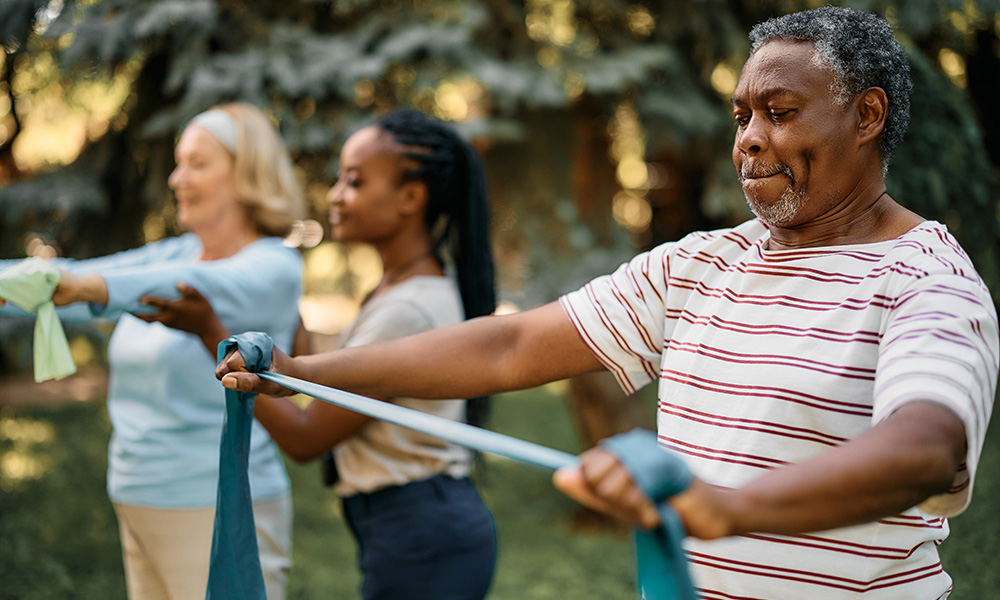
Black senior man using resistance band during exercise class in backyard of a nursing home.

March is Embrace Aging Month and UBC Okanagan has a jampacked schedule of workshops and activities to help with a healthy transition along the journey of aging.

If anyone is looking for the secret to a long and healthy life, it might be found at one of UBC Okanagan’s upcoming Embrace Aging events.

An annual event for more than 10 years, each March, UBCO’s Institute for Healthy Living and Chronic Disease Prevention (IHLCDP) organizes a variety of events that promote tips and activities to encourage healthy aging.

One such event, a Zoom webinar on March 20, is titled The 10 Secrets of Aging. Participants will learn several tips and ideas for a healthy transition that can help embrace the journey of aging.

Dr. Jennifer Jakobi, Director of the IHLCDP and co-lead of UBCO’s Aging in Place Research Cluster, notes individuals who are 65 years and older are part of the fastest-growing age group in Canada. Over the next 20 years, the population of older adults is expected to grow by greater than 65 per cent.

“One goal of our research team is to support older adults to remain in their homes—safely and comfortably—by developing evidence-based, in-home self-management supports to maintain independence,” says Dr. Jakobi, a Professor with the School of Health and Exercise Sciences

“When we think that this particular age group is part of the fastest-growing group in Canada today, we need to provide ample services and opportunity for older adults to have choices in where and how they want to age,” she explains. “Embrace Aging Month brings into focus the joy of aging and at the same time provides tips and ideas on how to navigate this phase of life.”

Throughout March there are a number of events for people to attend including webinars on a variety of subjects including estate planning, digital literacy, living with dementia, learning how electronic medical records and health portals work, as well as ending ageism and an introduction session on tarot cards.

Those looking for some physical activity can take part in a Bollywood-style dancing workshop, receive a 10-use punch card with local sponsor Global Fitness for functional aging fitness classes, try chair yoga, learn about electric bikes, attend mingle Mondays and even try out a bird watching session at Mission Creek.

“While Embrace Aging Month brings into focus the importance of supporting older adults in our communities, the sessions are for young and old alike,” adds Dr. Jakobi. “We have tried to think of something for just about everyone.”

Embrace Aging Month is organized by UBCO’s IHLCDP in partnership with Interior Savings and Interior Health. Events begin Friday, March 1 and all events are free and open to the public. For a full schedule and registration details, visit: okanaganembraceaging.com

The post UBC Okanagan hosts annual Embrace Aging month appeared first on UBC Okanagan News.
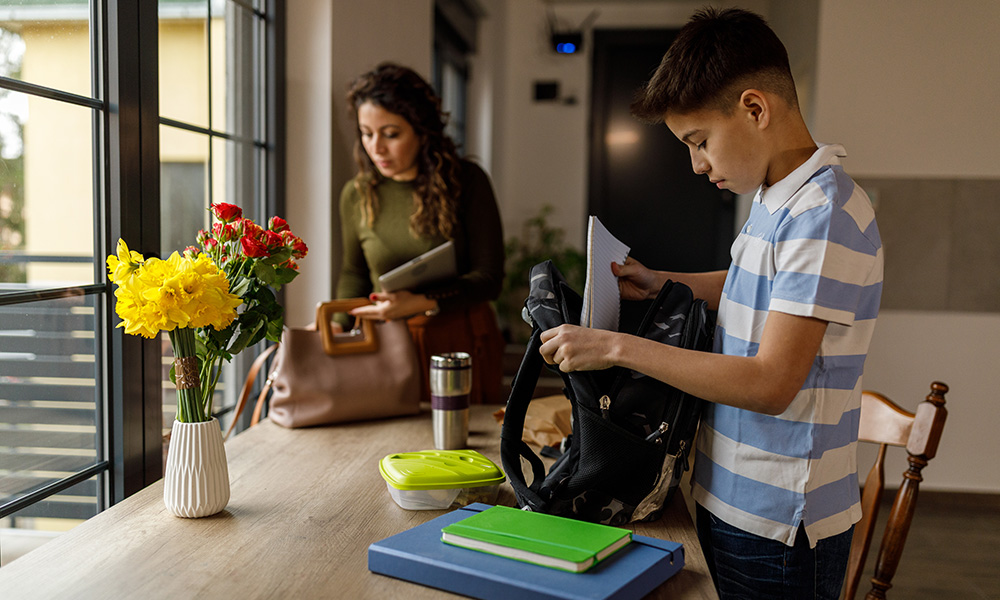
A photo of a teenage boy packing his school bag while his mother is preparing to go to work

Back to school can be exciting but with each new year comes change, especially for students entering middle school. UBCO experts provide some tips for parents to navigate those middle years.

Long before children are ready for middle school, their parents have heard the horror stories.

Online bullying, gender identity, social media, vaping, drugs, sex and dating…the list of potential pitfalls and obstacles can feel overwhelmingly endless.

It’s enough to disrupt even the most stable of households when a child shifts from the safety and security of the known into the uncertainty of a new school—especially if it’s around a milestone like the first day of middle or high school.

UBC Okanagan’s scholars and researchers want to help. Experts from across disciplines provide a few tips to help parents successfully navigate this new phase of their journeys.

“Make a plan,” says Dr. Stephen Berg, Associate Professor, Okanagan School of Education 

The start of another school year is an exciting and sometimes nerve-wracking time for everyone in a family. New activities and routines begin, so taking the time to plan and communicate with everyone in the family can help ease anxiety and nervousness going into the year.

Along with this, it is so important for children and youth to have proper nutrition. Having them take a water bottle to school—if allowed—helps maintain hydration and planning for healthy snacks and lunches helps with alertness and self-regulation in the classroom.

Of course, being physically active throughout the day is just as important. Even if there are no activities planned, something like going for a walk or other cost-effective activity gets children outside and can also be a great way to communicate and connect with each other.

“Encourage kindness,” says Dr. John Tyler Binfet, Associate Professor, Okanagan School of Education

A previous study involving 191 Grade 9 students from Central Okanagan Public Schools demonstrated that when the teens were encouraged to be kind, they surpassed expectations.

Within one week, more than 940 acts of kindness—sharing school supplies, giving compliments, helping with chores or encouraging others—were accomplished. As the bulk of the kind acts took place at the school, the findings show positive effects on school climate, student-to-student relationships and student behaviour.

I think adolescents can be misperceived, especially in schools. And if educators and parents can model kindness or provide examples of kindness, it will make being kind easier for adolescents.

“Keep the big picture in mind,” says Dr. Jessica Lougheed, Assistant Professor, Psychology, Irving K. Barber Faculty of Arts and Social Sciences

For kids and teens in middle school and high school grades, back to school can be an especially challenging time. Often, tweens and teens are experiencing developmental changes in many domains at the same time—these include puberty, with more intense and less predictable emotions, as well as new activities, peer groups and schools.

Relationships with primary caregivers, understandably, can become more strained. The back-to-school season is yet another change. When routines change in such a big way, we typically see a period of less predictable daily dynamics in the household before everything settles into a new routine. Often, what’s going on in one area, such as your child’s school or social life, will influence other areas including their emotions or how they relate to family members.

If you notice a lack of balance in your household dynamic at the start of the school year, it might be helpful to keep the bigger picture in mind. Change is hard, and your tweens and teens are navigating an acute change to their daily schedules and activities at the same time as all of their other developmental changes. Irritability might be directed at you, but it might not be about you.

Check-in with your child when things are quieter and calmer, and it might be easier to make a connection then.

“Communicate well, and communicate often,” says Dr. Shirley Hutchinson, Lecturer, Psychology, Irving K. Barber Faculty of Arts and Social Sciences

Transitioning back to school, especially a new school, can be hard for both students and parents. Much of the anxiety stems from uncertainty and one of the best ways to deal with uncertainty is to try and collect as much information as possible.

Communication is key.

Parents should talk to their children and explore the new or returning school environment together. Talk about what the children are excited about and what they may be nervous about. And most importantly, talk about what worries are within their control and which ones are not. Knowledge goes a long way to reducing uncertainty and easing anxieties.

“Get those steps in and keep active,” says Dr. Ali McManus, Professor, School of Health and Exercise Sciences

Physical activity is just another word for movement and it can look like anything including riding your bike to school, cleaning your room, mowing the grass, walking the dog or playing sports.

The easier way to keep active is to get your steps in. In Canada, the recommended daily steps are 13,000 for adolescent boys and 11,000 for girls. But in middle school steps tend to decline and across Canada less than 10 per cent of our teens meet these guidelines. Here are four easy tips on ways to get more active: start small, make it social, do things you enjoy and make time in your day, every day, for activity.

“Provide a non-judgmental space to chat about the risks of vaping and smoking,” says Dr. Laura Struik, School of Nursing

Vaping has become common in school environments, with youth stating that the commute to school, school washrooms, recess and lunch are contexts where they are frequently exposed to vaping. Having open discussions about vaping with your child can help if they are feeling pressured, or even curious, about vaping.

Parents might also get some empty vape devices, free of charge at a vape store, to start the conversation and address the curiosity that frequently contributes to trying vaping. Role play can also help prepare a child to proactively think about how they might manage peer pressure situations that could make vaping tempting. And parental or family disapproval can play a strong role in preventing uptake of vaping among children and youth.

The post Navigating the middle years and beyond appeared first on UBC Okanagan News.
A group of Home Circle members pictured

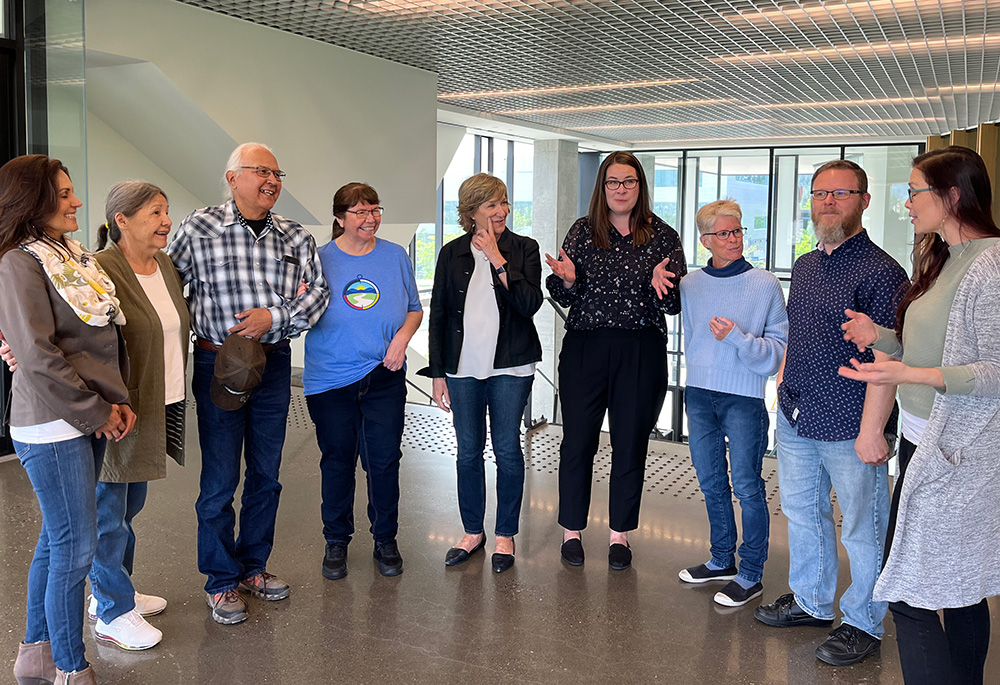
Elders, community organizations, and UBCO students, faculty, staff and researchers gathered to celebrate UBC Indigenous Strategic Strategies funding of a new Indigenous Graduate Nursing Education Pathway. Some Home Circle members are included in the photo (from left): Amber Froste Nlaka’pamux Tribal Nation, UBC MSN student, Elder Advisor Diana Moar Berens River First Nation, Elder Advisor Eric Mitchell Okanagan Indian Band, Karlyn Olsen UBCO School of Nursing, Elder Advisor Chris Marchand Okanagan Indian Band, April Coulson, Tr’ondëk Hwëch’in Nation, and Kathy Rush, Donna Kurtz and Dennis Jasper from the UBCO School of Nursing.

On its committed path to reconciliation, UBC Okanagan has taken another step forward—this time exploring a new aspect of thematic instruction in the Master of Science in Nursing (MSN) program.

The university has introduced this new layer of thematic instruction specifically for Indigenous registered nurses or registered nurses who work with Indigenous peoples, organizations or communities. The goal is to address racism in the health-care industry—and support Indigenous nurses or nurses working with Indigenous Peoples, organizations and agencies—while meeting community-identified needs and processes of incorporating Indigenous knowledge within mainstream nursing education and practice, explains Dr. Donna Kurtz, an Associate Professor with UBCO’s School of Nursing.

“Canada’s universal health-care system is one of the best in the world, yet Indigenous Peoples continue to experience poor health outcomes due to colonialism and racism,” says Dr. Kurtz, an Indigenous scholar and nurse working with interdisciplinary Indigenous community-led health promotion research and programs since 2003. “Nurses are central to health program development, implementation, improvement and maintenance. They are pivotal in working holistically with Indigenous communities for mental wellness, health promotion, illness prevention and even the fallout from the COVID-19 pandemic.”

The Canadian Institutes of Health Research has contributed $683,000 to develop the initiative delivered on the two UBC campuses and at Thompson Rivers University, the University of Victoria, Trinity Western University and the University of Northern British Columbia. This project is led by the University of Victoria’s Dr. Bourque Bearskin.

In addition, UBC’s Indigenous Strategic Initiatives Fund has provided $99,900 to establish an Okanagan community-led decision-making Home Circle as part of the provincial collective.

“There is currently no other collaboration or program like this taking place across Canada,” Dr Kurtz adds. “Nursing education programs continue to be dominated by Eurocentric knowledge and neo-liberal professionalization practices. Essential Indigenous health, cultural safety and cultural humility knowledges are lacking and few mandatory courses address the unique health needs and history of Indigenous populations.”

To help design the local MSN pathway, Okanagan Indian Band Elder Advisors Chris Marchand and Eric Mitchell, and Berens River First Nation Elder Diana Moar, along with Indigenous graduate nursing students, community leaders, members and organizations will be involved in curriculum content, redesign, delivery, evaluation and knowledge sharing.

Enrolled students will have two directions to take their studies. One includes a program with more than 70 hours of Indigenous-specific practicum work. The other is a thesis-based program where students will work on research projects led by Indigenous scholars, communities and organizations. Both can be done full- or part-time.

“This project is an important step towards creating a truly Indigenous-focused education program,” says Jackie Denison, Interim Director for the School of Nursing. “The stream will enhance the navigation of graduate studies for Indigenous nurses. Students will receive a strength-based Indigenized curriculum, which will offer a unique opportunity to learn from Indigenous communities from across the province.”

Throughout their studies, students will be mentored by Elders, Knowledge Keepers, Healers and Indigenous community leaders. They will also be able to take Indigenous-specific MSN courses at any of the universities participating in this program.

With current and newly established relationships across UBC, Dr. Kurtz says this project will identify priorities for change. Those priorities aim to inform and transform Indigenous anti-racist and inclusive curricula through co-developed pathways for ethical and respectful community-led and relevant research pathways and student practicums.

The eventual goal is to increase the number of Indigenous nurses within the Canadian workforce and improve Indigenous health while teaching and mentoring students, faculty and nurses to contribute to anti-racism and health equity through sustainable respectful collaboration.

“We need to address systemic racism,” she adds. “And we need the development of new practice standards for anti-racist, culturally safe, humble and responsive care to ensure health delivery systems are safer for all First Nations, Inuit and Métis Peoples.”

To learn more about UBCO’s Indigenous Master of Science in Nursing pathway visit: nursing.ok.ubc.ca/indigenous-initiatives

The post UBCO offers an Indigenous Master of Science in Nursing pathway appeared first on UBC Okanagan News.
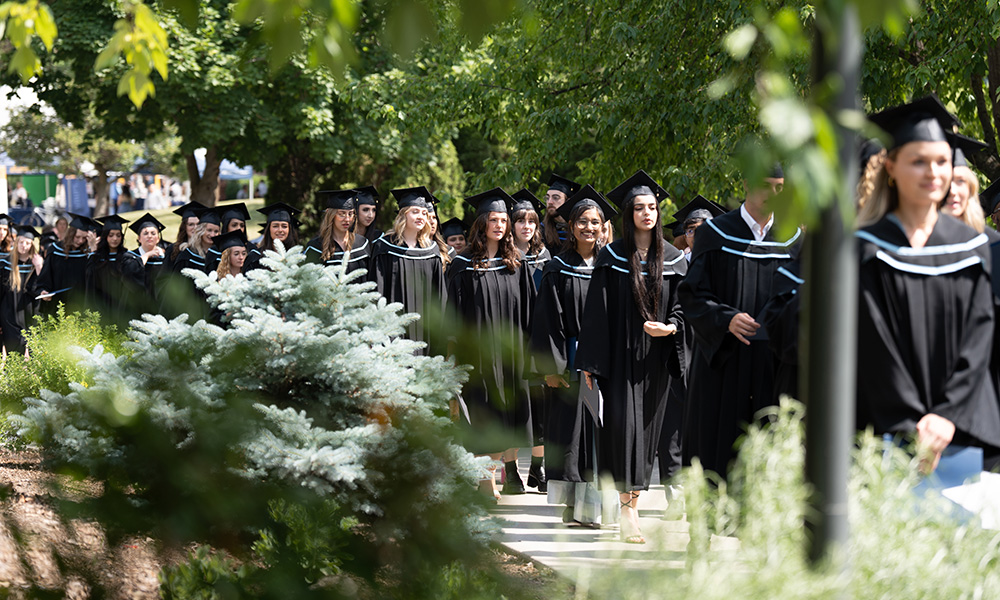
A photo of one of the 2023 graduation processions.

UBCO celebrated the class of 2023 this week including the top academic students and medal winners.

This week UBC Okanagan celebrated the graduating students of 2023. As part of graduation, the top academic students are recognized for their accomplishments which often include high academic grades and community service.

Governor General’s Gold Medal

A passion for research, a personal connection and the desire to help a population often overlooked by researchers took Sarah Lawrason down a path that eventually led to one of UBC Okanagan’s top accomplishments.

Dr. Lawrason has been named UBCO’s 2023 winner of the Governor General’s Gold Medal. She completed her PhD in Kinesiology, spending several years researching people who live with incomplete spinal cord injuries (SCI). Her research led to the design, implementation and evaluation of a mobile-based physical activity program for people with an SCI who walk. The goal was to support this particular population to become more physically active.

“Physical activity is so beneficial for health and wellbeing, but there is little research and resources to support people with SCI and even less for those with an SCI who can walk,” she says.

Dr. Lawrason admits there is a personal side to her drive. Her brother sustained an SCI in 2016—helping him live the best life he can became part of her mandate.

The Governor General’s Gold Medal is awarded to the student who has achieved the most outstanding academic record as a doctoral or master’s student completing a dissertation or thesis.

While working on her PhD, Dr. Lawrason conducted five studies with the ambulatory SCI population—a growing segment often referred to as the “forgotten ones” because they have been completely overlooked in health research and promotion, she says. Her research engaged with the SCI community and tech-industry partners to achieve significant breakthroughs and help pave the way for further scientific and clinical applications.

She conducted her research under the supervision of Dr. Kathleen Martin Ginis, who describes Dr. Lawrason as someone with an exemplary record of high-impact, novel, interdisciplinary, community-engaged research who has made diverse and considerable contributions to society.

“Sarah has established an outstanding reputation for research leadership and conducted her PhD research with unwavering commitment to using community-engaged methods and improving the health of people with disabilities,” says Dr. Martin Ginis. “Of the 13 PhD students I’ve supervised, she ranks among the top in terms of breadth and depth of skill and is more than deserving of this recognition.”

Governor General’s Silver Medal winner

Solomon Thiessen, described as an “exceptionally gifted” School of Engineering student, has been named the winner of UBC’s Governor General’s Silver Medal. It is awarded annually to the student who has achieved the highest academic standing of all students in their graduating year. UBC awards three silver medals each year: one in arts, one in science and one for all other faculties including those at UBC Okanagan.

Thiessen recently completed his Bachelor of Applied Science with UBCO’s School of Engineering, impressing his professors by earning a final mark of 100 per cent on 12 of his engineering courses.

He has a keen interest in computer engineering and he minored in computer science. During his studies, he worked on a variety of projects including a portable MRI device with Drs. Rebecca Feldman and Sabine Weyand as well as a wireless sensor node network with Dr. Dean Richert. Despite his heavy course load, he also volunteered as a tutor in math, physics, applied science and computer science through the student learning hub and worked as a teaching assistant in the automation lab.

Within the School of Engineering, he was held in high esteem among the teaching staff, says Dr. Dean Richert, an Assistant Professor of Teaching in Manufacturing and Mechanical Engineering

“It has been an absolute pleasure to witness Sol’s progression throughout his degree and I am delighted to see him being acknowledged as a recipient of this award,” says Dr. Richert. “Sol not only possesses exceptional academic prowess but also demonstrates an outstanding work ethic and professionalism, distinguishing himself as one of the most exceptional students I have had the privilege of working with.”

Thiessen has been accepted to the computer science master’s program at ETH Zurich in Switzerland. Following his studies at ETH Zurich, he plans to pursue a PhD in artificial intelligence. In the meantime, he is “tinkering” on a few software projects while working as a contractor for the Western Canadian Learning Network.

Lieutenant Governor Medal Program for Inclusion, Democracy and Reconciliation

A well-travelled and active member of the UBCO campus community, Haja Mabinty (Binta) Sesay has been named the winner of the Lieutenant Governor Medal Program for Inclusion, Democracy and Reconciliation.

Sesay has just completed her degree in International Relations and has been recognized for her leadership and dedication to helping make UBCO a more inclusive campus community. During her four years of study, she volunteered with the Sexual Violence Prevention and Response Office during back-to-school celebrations and spent two years volunteering with African Caribbean Student Club. She also held an executive role with the UBC Black caucus team and UBC’s Anti-Racism and Inclusive Excellence Task Force.

Sesay started her schooling in The Gambia and moved to the United Kingdom for part of her high school education, completing her last year in Jerusalem. She came to UBCO in 2018, having been attracted to the close-knit campus and knowing the programs were academically strong.

Although she applied for the Lieutenant Governor’s Medal, she had no expectations of winning the recognition and was surprised when notified she was the winner.

“Just getting the email to apply for the award made me feel accomplished,” she says. “I was super shocked when I got the email saying I was selected. I am so passionate about all the work I have done and never expect anything back, but it also feels nice to be recognized. I feel very honoured.”

The Lieutenant Governor Medal Program for Inclusion, Democracy and Reconciliation recognizes students who have distinguished themselves through their post-secondary education with outstanding contributions to the promotion of inclusion, democracy or reconciliation.

Madison Tardif, who worked with Sesay at the UBC Equity and Inclusion Office, says she has played a key role in leading and working within various groups and committees to advocate for a more anti-racist and inclusive institution, with a particular focus on supporting the Black community.

“Binta has dedicated herself to the promotion of anti-racism across the university and in the broader community, advocating for changes that will continue to shape and improve the experiences of Black students, faculty and staff at UBC,” says Tardif. “Binta’s commitment to addressing structural inequities and advocating for a more inclusive campus shines in her leadership roles and her consistent desire to show up for and in solidarity with diverse communities.”

Pushor Mitchell LLP Gold Medal Leadership Prize

Madyson Campbell, who received her Bachelor of Science in Psychology degree Thursday, is the winner of the Pushor Mitchell Gold Medal Leadership Prize. Knowing she eventually planned to go to medical school, Campbell came to UBCO from Thunder Bay wanting to experience a few years living in a different province and knew the Okanagan would suit her lifestyle.

While working on her degree she participated in several multidisciplinary undergraduate research projects in health and worked on a student-led project to develop a pilot curriculum on a restorative approach to improve the experiences of patients who have been harmed within the health care system.

Campbell is a proud citizen of the Métis Nation of Ontario and works to advocate for and ensure the voices of Métis youth are heard at the provincial and national levels.

“The support provided by this award is immeasurable, as it allows students like myself to continue our academic and leadership goals after graduating from UBC. This award has allowed me to pursue a research opportunity this summer at the University of Toronto. I cannot understate how deeply honoured I am to have been chosen by this committee. I will carry this recognition with me as I move forward in my academic and career pursuits.”

As a winner of the Pushor Mitchell award, she receives a $10,000 scholarship which she says will support her journey as she enters the Northern Ontario School of Medicine in Thunder Bay this fall.

The Pushor Mitchell LLP Gold Medal Leadership Prize recognizes a top graduating student who has excelled academically and has shown leadership while earning their degree.

“Pushor Mitchell LLP is thrilled to support another exceptional graduate at UBC Okanagan with our Gold Medal Leadership Award, as they make their way to become the next generation of great leaders in our community, both in the Okanagan and beyond”, says Joni Metherell, Managing Partner for Pushor Mitchell. “We congratulate Madyson and all of UBCO’s 2023 graduates on their success.”

Heads of Graduating Class

University of BC Medal in Arts
Samantha Barg

University of BC Medal in Education
Isabela Richard

University of BC Medal in Engineering
Solomon Thiessen

University of BC Medal in Fine Arts
Josie Hillman

University of BC Medal in Human Kinetics
Melina Marini

University of BC Medal in Management
Aurora Gardiner

University of BC Medal in Media Studies
Amanda McIvor

University of BC Medal in Nsyilxcn Language Fluency
Sheri Stelkia

University of BC Medal in Nursing
Kayla Petersen

University of BC Medal in Science
Harman Sohal

The post UBCO recognizes top students at 2023 graduation ceremonies appeared first on UBC Okanagan News.

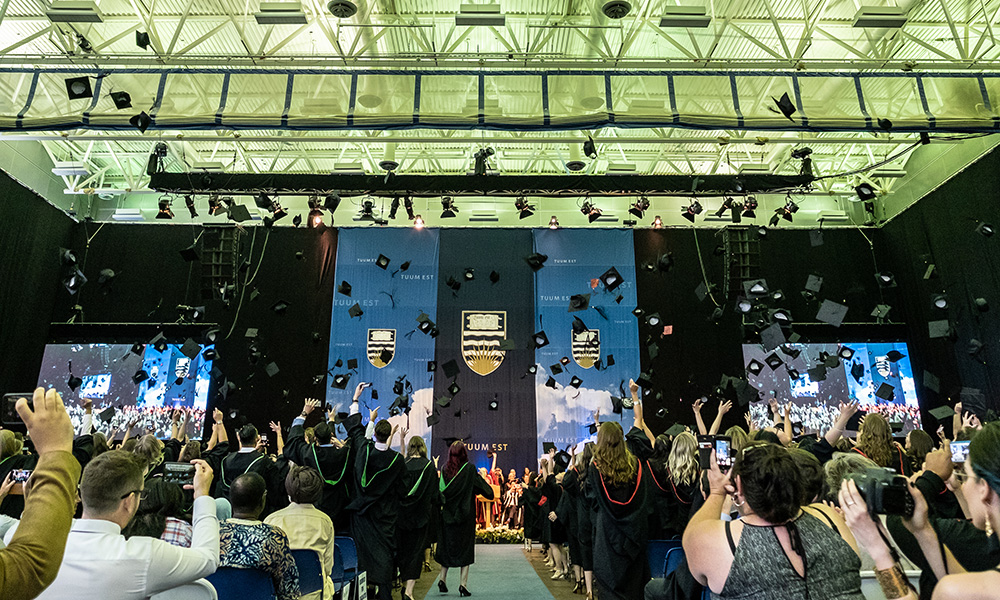
A photo of graduating students throwing their caps

Students in the class of 2023 will graduate in six different ceremonies at UBCO this week.

This week, UBC Okanagan will celebrate the graduating class of 2023. And while hundreds of students will cross the stage to accept their degrees, there will still be a series of unique firsts.

On June 8 and 9, UBCO will confer more than 2,300 degrees during six graduation ceremonies. On Thursday, the first-ever Bachelor of Nsyilxcn Language Fluency degree graduates will receive their degrees.

“Graduation provides us the opportunity to recognize and congratulate our students and their successes,” says Dr. Lesley Cormack, UBCO’s Principal and Deputy Vice-Chancellor. “I am incredibly proud of all of our students, with particular note for those receiving our first degrees in Nsyilxcn Language Fluency.”

The Bachelor of Nsyilxcn Language Fluency degrees will be conferred by UBC’s Chancellor, the Honourable xwĕ lī qwĕl tĕl Steven Point. Chancellor Point will also confer honorary degrees on suiki?st Pauline Terbasket, Executive Director of the Okanagan Nation Alliance, and Lindsay Gordon, Point’s predecessor as UBC Chancellor. Interim UBC President and Vice-Chancellor Dr. Deborah Buszard, who is the former UBCO Principal and Deputy Vice-Chancellor, will share the stage throughout the six graduation ceremonies with Dr. Cormack, the current campus Principal and Deputy Vice-Chancellor.

There are three ceremonies on Thursday, the first beginning at 8:30 am, and three on Friday morning with the first also starting at 8:30 am.

Of the more than 2,320 degrees being presented this week, more than 450 students will earn their master’s degree, and 60 are being conferred as PhDs. These students have reached the highest level of achievement in their disciplines, says Dr. Cormack.

She also notes the students graduating this year continued their studies during the COVID-19 pandemic, and pivoted to online courses as the university quickly adapted to online and remote delivery of classes in 2020.

“I offer the UBC Okanagan class of 2023 my warmest congratulations for their remarkable achievements,” says Dr. Cormack. “These students persevered through an unusual time none of us could have predicted. They stayed dedicated to their studies as they not only transitioned to online learning, but back onto campus last year to complete their studies in-person. I am so grateful for this group of students as they showed grit and passion and worked through an extraordinary time to complete their studies. With these experiences, we know they have the ability to realize their highest ambitions, both personally and by shaping the world they’re entering as UBC alumni.”

The 18th annual graduation celebration happens Thursday and Friday inside the UBC Okanagan gymnasium. Parking is free during the day.

Quick facts:

  • 2,320 students will cross the stage during six graduation ceremonies
  • Two honorary degrees will be conferred, one each day
  • Thursday, 8:30 am, Irving K. Barber Faculty of Science
  • Thursday, 11 am, Irving K. Barber Faculty of Arts and Social Science
  • Thursday, 1:30 am, Irving K. Barber Faculty of Arts and Social Sciences and the Faculty of Creative and Critical Studies**
    ** Including the Bachelor of Nsyilxcn Language Fluency
  • Friday, 8:30 am, Faculty of Health and Social Development*
    * Including nursing and social work
  • Friday, 11 am, Faculty of Education: Okanagan School of Education and the Faculty of Management
  • Friday, 1:30 pm, Faculty of Applied Science: School of Engineering
  • Parking is free both days

The post UBCO celebrates the graduates of 2023 appeared first on UBC Okanagan News.

A UBCO researcher cautions poor eating habits established while at univeristy can lead to health challenges later in life.

A UBC Okanagan researcher is cautioning that a person’s poor eating habits established during post-secondary studies can contribute to future health issues including obesity, respiratory illnesses and depression.

Dr. Joan Bottorff, a Professor with UBCO’s School of Nursing, is one of several international researchers who published a multi-site study looking at the eating habits of university students. Almost 12,000 medical students from 31 universities in China participated in the study that aimed to determine the association between eating behaviours, obesity and various diseases.

The point, says Dr. Bottorff, is that many poor eating habits begin at university and can continue for decades.

“We know many students consume high-calorie meals along with sugary foods and drinks and there is lots of evidence to show those kinds of eating behaviours can lead to obesity,” says Dr. Bottorff. “These are not the only habits that lead to obesity, but they are important and can’t be ruled out.”

The study, published recently in Preventive Medicine Reports, was led by Dr. Shihui Peng with the School of Medicine at China’s Jinan University. While there is well-established research that links unhealthy diets to many chronic diseases, this study aimed to show a relationship between poor eating habits and infectious diseases including colds and diarrhea.

Dr. Bottorff notes, due to the nature of the study, it was not possible to show cause and effect but the relationship between poor eating habits, obesity and respiratory illnesses were well supported.

“There has been biomedical research that also supports this link between obesity and infectious diseases, and most recently this has been related to COVID-19,” she adds. “We know from some of the recent publications related to COVID-19, obese people were more likely to have severe conditions and outcomes. Reasons that have been offered for this increased vulnerability include impaired breathing from the pressure of extra weight and poorer inflammatory and immune responses.”

A typical student diet of high-sugar or high-calorie foods can become a long-term issue as these habits can lead to obesity. Dr. Bottorff says there is evidence to show that stress and anxiety can cause overeating, but overeating can also lead to stress and depression.

“The bottom line here is that we shouldn’t be ignoring this risk pattern among young people at university. It is well documented that a significant portion of students have unhealthy diets,” she adds. “The types of foods they are eating are linked to obesity. And this can lead to other health problems that are not just about chronic disease but also infectious diseases.”

While Dr. Bottorff says students should be taught about healthy eating while at university the onus should be on the school to provide healthy, and affordable, food options for all students.

“We need to think about the food environment that we provide students. We need to ensure that in our cafeterias and vending machines, there are healthy food options so that they can eat on the go but also make healthy food choices.”

It’s not an issue going unnoticed. UBC Student Wellness and Food Services work together to address food security and food literacy and recognize that a lack of affordable food options, coupled with the stress of university life, can negatively impact students’ food choices.

Food insecure students have access to a low-barrier food bank and a meal share program. Meanwhile, UBCO Food Services’ culinary team prioritizes local, organic and sustainably-sourced ingredients, and works with a registered dietitian to ensure a wide variety of food options are available to all diners.

Dr. Bottorff agrees there have been improvements to food options in cafeterias and notes the drinks in many vending machines have been rearranging so healthier items are at eye-level and sugary choices are lower down.

“I know many post-secondary schools are trying to figure out how we can do better and are trying to address these problems,” she adds. “It’s great, because four or five years ago, we weren’t. So, I think we’re on the right road, but I think we’re a long way from finished.”

The post A student’s poor eating habits can lead to a lifetime of illness appeared first on UBC Okanagan News.